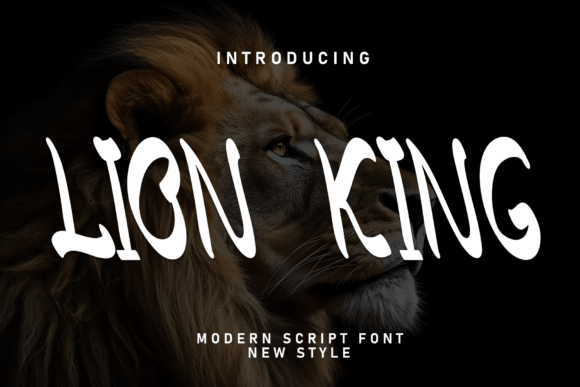
Lion King Font: A Playful Touch for Professional Branding
Bringing Personality to Your Business with Lion King
As a small business owner, I’ve always searched for design tools that help my brand stand out while maintaining a professional edge. That’s why I was excited to discover Lion King, a charming handmade script font that brings a sense of whimsy and warmth to any visual material. Whether you run a boutique, a bakery, or an online shop, Lion King adds a personal touch that feels authentic and approachable.
What makes Lion King special is its handcrafted style. It’s part of the Script Amp collection, designed to feel both elegant and expressive. The flowing letters and soft curves give it a natural, handwritten appeal—perfect for brands that want to feel friendly yet polished. Unlike overly formal typefaces, this font strikes a balance between creativity and clarity, making it ideal for small businesses that want to connect emotionally with their audience.
Real-World Uses for Lion King in Branding
One of the first things I did after downloading Lion King was test it across different customer-facing materials. Here’s where it really shines:
- Logo design – It adds character to boutique logos and service-based business marks.
- Packaging design – I used it on handmade candle labels and custom tea bags—customers loved the personal feel.
- Social media graphics – For Instagram stories and Pinterest pins, Lion King makes headlines pop without looking cluttered.
- Product tags and thank-you cards – It gives a boutique-level finish to physical touches that customers appreciate.
I especially like using Lion King as a headline or display font. Pairing it with a clean sans serif like Arial or Open Sans helps maintain readability while keeping the design dynamic. It works well on digital ads too, where attention-grabbing text is key to engagement.
Why Font Choice Matters for Small Businesses
Before I started paying attention to typography, I used whatever fonts came standard on my design tools. But fonts like Lion King have shown me how much of a difference the right typeface makes. It’s not just about looking nice—it’s about creating a consistent brand identity that customers can recognize and trust.
When I switched to Lion King for my brand’s accent text, I noticed a subtle but meaningful shift in how customers responded. The font gave my materials a more intentional, curated feel. People began commenting more on the aesthetic of my packaging and digital content, which led to more shares and repeat purchases.
Choosing the Right Applications for Lion King
Lion King is best used in short bursts—like headlines, logo text, or product names. It’s not ideal for long paragraphs or technical descriptions, but that’s true of most script fonts. What matters is knowing when and how to use it effectively.
For example, I use Lion King for my product labels and social media headlines, but stick to a simple sans serif for body text. This helps maintain readability while still giving my brand a unique personality. On packaging, I’ve found it works best when printed at a slightly larger size so the details in the letterforms remain clear.
It also performs well on mobile screens. I tested it across website banners and mobile ads, and found it scaled nicely without losing its charm. For small business owners who manage their own web design, Lion King is a great choice for hero text or call-to-action buttons that need a warm, inviting feel.
Testing and Pairing Lion King with Other Fonts
Before committing to Lion King across all my branding, I did a few simple tests. I printed sample labels, created mock social media posts, and even made a temporary logo version to see how it looked in different contexts. This helped me avoid a mismatch and ensured the font worked well for my brand’s tone and audience.
When pairing Lion King with other fonts, I recommend a minimalist approach. Since it’s a decorative script font, it pairs beautifully with clean, modern sans serif fonts. For example, using Lion King for a logo and then Roboto or Lato for supporting text creates a balanced, contemporary look. If you prefer a more classic style, try combining it with a readable serif font like Georgia or Merriweather.
Checking Licensing and Usage Rights
One important step I took before using Lion King widely was checking the font’s commercial license. As a small business owner, I need to make sure any design assets I use are legally cleared for the way I plan to apply them—whether that’s on product packaging, digital downloads, or client-facing templates.
Luckily, Lion King is a premium font with clear commercial usage terms. I was able to confidently use it across physical and digital branding materials without legal concerns. This is especially important if you sell products or offer branded templates to customers.
Final Thoughts: Lion King as a Practical Design Tool
At the end of the day, Lion King isn’t just another creative font—it’s a practical tool for small business branding. It adds warmth and personality to visual materials without sacrificing professionalism. Whether you’re designing a café menu, launching a new product line, or refreshing your website banners, Lion King can help your brand feel more cohesive and memorable.
As a business owner, I’ve found that thoughtful typography like Lion King makes a real difference in how customers perceive my brand. It’s a small detail that, when used wisely, can elevate your entire visual identity and make your business stand out in a crowded market.