Punya: A Handwritten Font That Brings Personality to Every Craft
I was staring at my screen, trying to finalize the design for a set of candle labels for a seasonal line I’m launching. The scent names were whimsical—Lavender Drift, Fireside Tales, Citrus Grove—but the font I was using felt flat. I needed something that carried warmth, a little mischief, and a whole lot of charm. That’s when I opened Punya. Within minutes, those same labels felt like they’d been kissed by personality. The letters danced across the page, soft and relaxed, yet confident enough to stand out on a crowded shelf.
What Makes Punya Special?
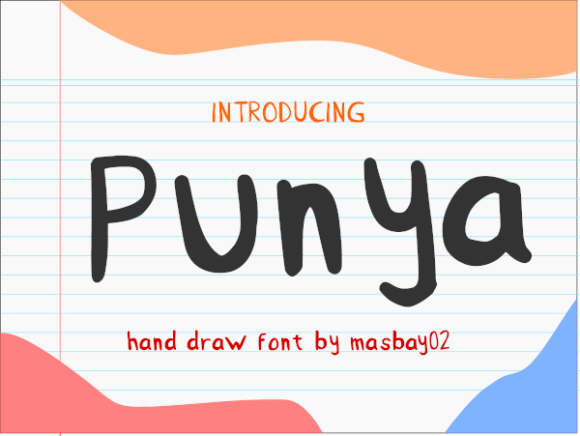
Punya is a casual handwritten font with a jolly, expressive style. It’s not overly formal or stiff like some script fonts can be. Instead, it feels like a friend’s note tucked into your bag—personal, familiar, and full of life. The font has a natural bounce to it, with slight variations in stroke weight and a gentle slant that gives it that handmade look. Whether you’re creating a greeting card, label, or digital download, Punya adds a touch of warmth that’s hard to replicate with standard fonts.
It’s perfect for those of us who want to give our products a unique identity without spending hours adjusting letterforms. The lowercase letters flow into each other naturally, making it ideal for short phrases, names, and titles. It also includes ligatures and alternate characters, which means you can tweak the look to suit your brand’s personality—whether that’s rustic, modern, or somewhere in between.
Bringing Punya Into Real Projects
Last week, I used Punya to design a set of printable wedding welcome signs for a client who wanted a rustic-meets-chic vibe. I paired it with a clean sans serif for the details, and the contrast was perfect. The main title in Punya had that romantic, flowing feel, while the supporting text stayed crisp and readable. The client loved how it looked printed on kraft paper and framed in a wooden sign.
I’ve also used Punya for boutique clothing tags, planner stickers, and even mug designs. Each time, the font brought a sense of authenticity and warmth that customers respond to. It’s especially effective when you’re working with minimalist designs and want the text itself to be the focal point. Think of a simple tote bag with just a name or phrase in Punya—it’s understated, but it carries a story.
Where Punya Shines Most
- Labels: Perfect for candle jars, soap packaging, and food product tags. The font’s legibility at small sizes makes it ideal for sticker labels and swing tags.
- Greeting Cards: Use Punya for handwritten-style messages or titles. It pairs beautifully with a clean font for the body text.
- Wedding & Event Invitations: The romantic, flowing style works well for names and event titles, especially when printed on textured paper.
- Digital Printables: From wall art to planner pages, Punya gives digital downloads a handmade feel that customers love.
- Seasonal Crafts: Try it on holiday tags, Easter basket labels, or Halloween treat bags. The font’s cheerful personality brings a festive touch.
Readability and Practical Design Tips
One thing I always keep in mind when using Punya is readability, especially for cutting machines or small stickers. While it’s a script font, it’s designed with enough spacing to be legible even at smaller sizes. Still, I recommend testing it at the size you’ll be using—whether it’s for a 1-inch label or a 12-inch sign.
If you’re using Punya for vinyl cutting or Cricut/Silhouette projects, make sure to adjust the spacing slightly if needed. Sometimes the natural flow of script fonts can cause letters to overlap in cutting software. A quick kerning adjustment can fix that and ensure clean cuts every time.
For printed cards and packaging, always check the resolution and font rendering in your mockups. Punya looks best when it’s crisp and slightly bolder, so avoid using it at very low resolutions or on textured backgrounds that might blur the lines.
Font Pairing Ideas
Part of what makes Punya so versatile is how well it pairs with other fonts. Here are a few combinations I’ve used successfully:
- Punya + Montserrat: A modern sans serif that balances Punya’s playful nature. Great for packaging and social media graphics.
- Punya + Playfair Display: A classic serif that elevates Punya’s charm. Ideal for wedding invitations and boutique branding.
- Punya + Bebas Neue: For a bold, modern contrast. Works well in digital templates and minimalist logo designs.
- Punya + Another Script Font: Use sparingly for layered designs. Pairing it with a more formal script can create a beautiful visual hierarchy.
What to Check Before Using Punya Commercially
If you’re selling products, printables, or SVG files using Punya, it’s important to verify the font’s licensing. Many premium fonts like Punya come with commercial use licenses, but you should always double-check the terms included with your download. Look for details like:
- Allowed use for physical products, digital downloads, and merchandise
- Number of users or sales platforms covered
- Supported file formats (OTF, TTF, WOFF, etc.)
- Multilingual support, especially if you’re designing for international markets
- Availability of ligatures, alternates, and stylistic sets
Most importantly, keep a record of your purchase and font license in case you’re ever asked to provide proof for a marketplace or client project.
Final Touches for Real Creative Impact
When I first started using Punya, I was drawn to it because it looked like handwriting—but not the kind that feels forced or overly cursive. It felt like the kind of writing you’d see on a friend’s birthday card or a sign outside a local bakery. That’s what makes it so effective for handmade sellers and creative product makers: it connects emotionally.
Whether you’re designing for print or digital, Punya brings a level of personality that elevates your work. It helps your brand feel more human, more approachable, and more memorable. And in a world full of cookie-cutter fonts, that’s a powerful thing.